SITUATION
Natural gas is transported in pipelines over many thousands of kilometers to destinations around the globe.
The new zero-emission mechanical seal from EagleBurgmann
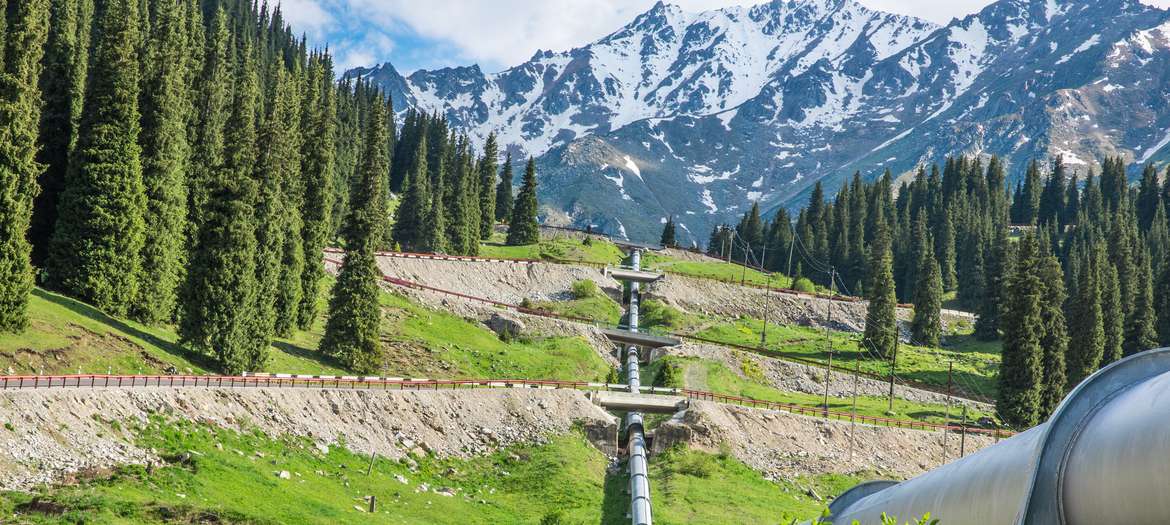
Natural gas is transported in pipelines over many thousands of kilometers to destinations around the globe.
Even with technically sophisticated solutions such as dry gas seals, methane gas escapes.
The new zero-emission mechanical seal from EagleBurgmann prevents the emission of the greenhouse gas methane during natural gas extraction, transport and processing.
Natural gas is transported in pipelines over many thousands of kilometers to destinations around the globe, both overland and via the seabed. The flow of gas must be prevented from ebbing and drying up. Every now and again, giant compressors, like springs, with the power of about 100 car engines provide the necessary boost. But in the process, methane gas escapes. Until now, at least. The recently developed zero-emission mechanical seal, CobaDGS, from EagleBurgmann uses nitrogen to prevent these harmful emissions. The sealing innovation makes a sustainable contribution to curbing global warming.
Methane is the main component of natural gas and has a much greater greenhouse effect than carbon dioxide (CO2). Dr. Ferdinand Werdecker, Director of Engineering for Compressor Seals at EagleBurgmann predicts: If all the compressors in German pipelines no longer allowed the escape of methane emissions directly into the atmosphere and were instead sealed with CobaDGS, 15,000 tons of direct methane gas emissions could be avoided annually. This corresponds to 1.3 million tons when converted to carbon dioxide (CO2), which is equivalent to the annual CO2 emissions of around 600,000 private households. The new sealing technology could save four times this amount throughout Europe, and even fifty times the amount worldwide – equivalent to more than 63 million tons of CO2 per year.
How does EagleBurgmann’s sustainable sealing solution work? The compressor’s power is transmitted via a shaft to a blade wheel driving the flow of natural gas in the pipeline. The shaft sleeve through the compressor housing must be sealed. But this has always resulted in leakage – and even with technically sophisticated solutions such as dry gas seals, methane gas escapes.
Dry gas seals have a stationary and a rotating ring, whose contact faces almost touch. Less gas escapes if the gap is narrower, meaning the transport of gas is more cost-effective for the operator and the negative impact on the environment is less dramatic. The CobaDGS uses nitrogen to seal even this remaining gap, which is only two or three thousandths of a millimeter wide. The somewhat higher pressure of the “nitrogen barrier” prevents gas from flowing through the gap and escaping.
“We’ve advanced this basic principle to work at high operating pressures of up to 160 bar for the main seal. We use it for most of the compressors,” says Werdecker. A further benefit: Thanks to gas lubrication, the CobaDGS operates almost wear-free and, with proper maintenance, its service lifetime is virtually unlimited.
Things get hot in rotary kilns, very hot in fact. In the production of cement, for example, the thermometer measures more than 1,000 degrees Celsius. Sealing systems from EagleBurgmann, a company of the Freudenberg Group and EKK, make sustainable contributions to environmental protection, energy efficiency and process reliability under these "fiery" high-temperature conditions.

In countries like Canada, South Korea and Argentina, CANDU reactors (“Canada deuterium uranium reactors”) use nuclear fuel to generate electric power. Unlike the ressurized water reactors and boiling water reactors mainly used in Europe, CANDU reactors can be refueled during operation to increase availability. However, sealing the hydraulic machines used in this process represents a technical challenge.
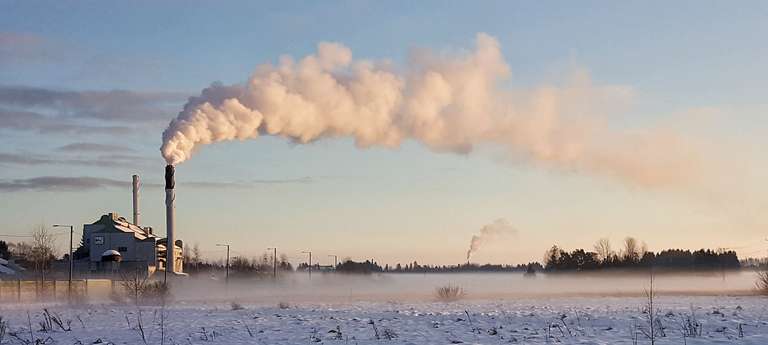
A boiler circulation pump in a power plant conveys very hot and pressurized water. The pump has no cooling jacket, which increases the risk of a thermosiphon effect.

Pharmaceutical manufacturers like the Bayer AG rely on mechanical seals in their manufacturing plants.
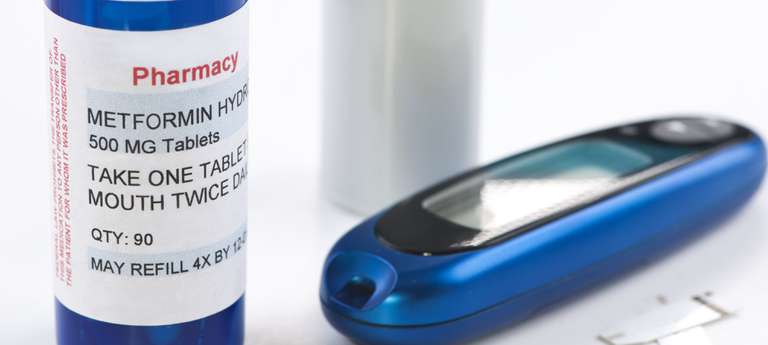
When the process medium in the production of metformin may not be contaminated with sealing medium under any circumstances, gas-lubricated seals for agitator shafts are the first choice. The Norwegian company Vistin Pharma took a daring step away from oil-lubricated to nitrogen overlayed seals.

Mechanical seals are not always the best choice. In roller dryers used in the production of pharmaceutical powder, abrupt shaft deflections during processing led to increased seal wear. Operation was maintenance-intensive and prone to faults.